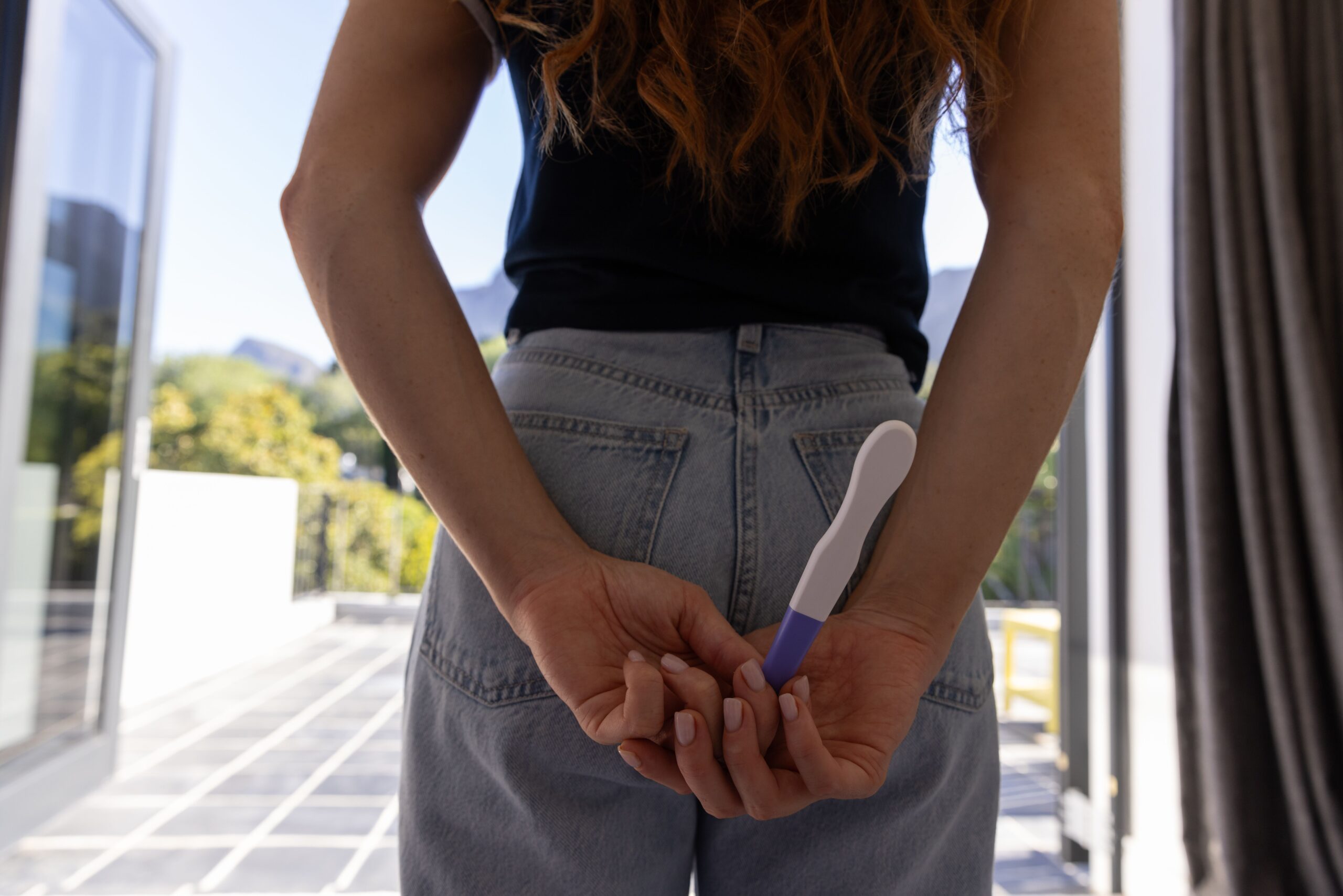
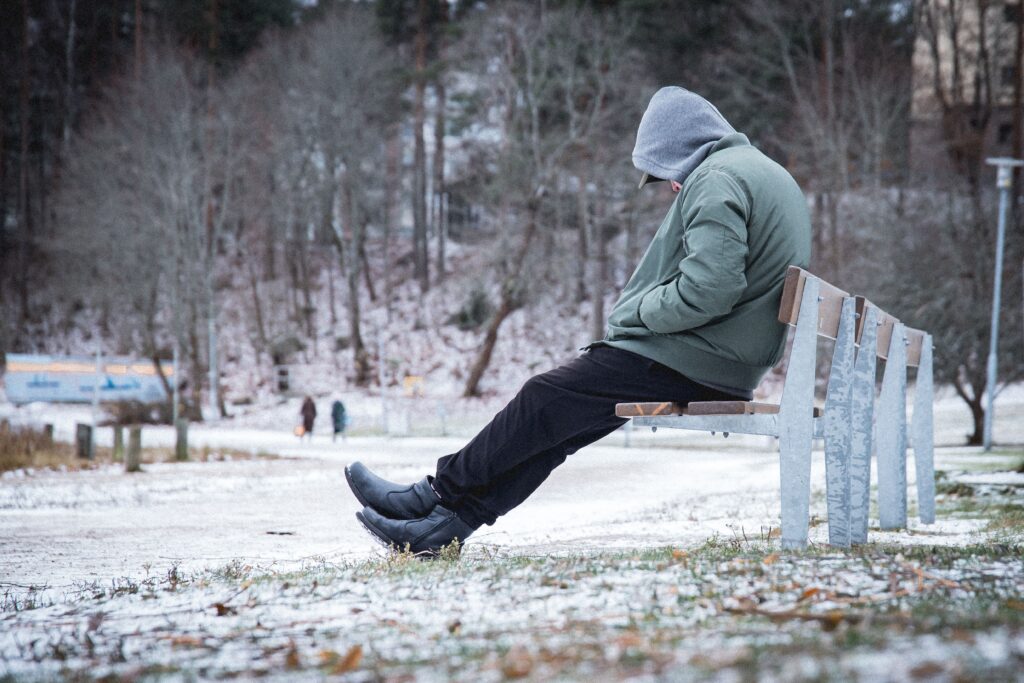
It’s December, which means that many people all over Long Island are starting to experience seasonal depression. Seasonal depression has many causes, but it has been biologically associated with reduced sunlight in fall and winter.
The shift in daylight – both from shorter days and from moving the clock back to standard time – affects circadian rhythms, alters melatonin production, and disrupts serotonin activity – biological changes that can significantly influence mood. Many people experience lowered energy, difficulty waking, reduced motivation, or a heavier emotional state as the days get shorter. These physiological changes are well documented, and light-based treatments often provide meaningful relief.
But…
While light plays a factor in the development of some seasonal depression, it is neither the only possible cause of it, nor is it always acting alone. The picture is more complex than sunlight. Seasonal depression does not always arise strictly from biological reactions to decreased daylight, and in some cases, daylight may not be directly involved.
Emotional, psychological, and environmental factors can also shape how a person experiences the winter months. When someone feels depressed each year around the same time, it is worth exploring the broader context – not only the lack of light, but the patterns, stressors, and internal responses that may also contribute.
A therapist’s role is to help you understand these layers. Seasonal changes can bring up memories, expectations, relationship patterns, or emotional vulnerabilities that intensify during the colder months. Exploring these factors provides a more complete understanding of seasonal depression and creates opportunities for more effective treatment.
Examples of non-light related seasonal depression may include:
Stress and Disruption of Routine
The colder months often introduce changes in routine. Shorter days can make it harder to maintain habits that support mental health, such as physical activity, consistent sleep schedules, or time spent outdoors. Even small disruptions – like getting home after dark or feeling more rushed in the morning – can shift your internal balance.
When routines become fragmented, the body loses predictability, which some people rely on to regulate stress and mood. This disruption is not strictly about sunlight. It is about the cumulative effect of having fewer stabilizing anchors throughout the day.
Increased Social Pressure and Emotional Expectations
The holiday season creates emotional expectations that can feel overwhelming. Many people experience pressure to participate in gatherings, maintain family relationships, or appear cheerful despite internal struggles. These expectations can heighten emotional fatigue, amplify feelings of loneliness, or intensify conflict within families.
Even after the holidays, January often brings a sense of emotional letdown. The contrast between high expectations and quieter winter months can create feelings of emptiness or disconnection that mimic or worsen seasonal depression.
Unresolved Trauma or Difficult Memories Tied to Winter Months
Some individuals notice that their depressive symptoms return each winter not because of light exposure but because the season is linked to past trauma, grief, or stressful life events. The mind remembers patterns, and emotional memories often re-emerge during familiar times of the year.
This might include:
- Anniversaries of losses.
- Past relationship ruptures that occurred during winter.
- Childhood experiences tied to holidays or family dynamics.
- Periods of instability or hardship that happened during colder months.
These memories can resurface subtly, influencing mood even when the person is not consciously thinking about them.
Isolation and Reduced Social Interaction
Cold weather naturally reduces time spent outside, chances for spontaneous social interaction, and opportunities for activities that promote connection. For those already managing anxiety, depression, or social withdrawal, winter conditions can deepen existing patterns of isolation.
Isolation is a risk factor for depression on its own, regardless of sunlight. Reduced contact with supportive people can disrupt emotional regulation and make negative thoughts feel louder or more persistent.
Physiological Stress From Illness, Fatigue, or Lifestyle Changes
Winter brings an increase in colds, flu, and general fatigue. Physical illness affects mood regulation through inflammation, disrupted sleep, and reduced energy. For some individuals, recurring illness becomes an annual pattern that contributes to seasonal depression without any connection to light exposure.
Lifestyle changes – such as reduced exercise, changes in eating habits, or difficulty staying active – can also contribute. These factors influence neurotransmitters and physical wellbeing, which in turn affect emotional stability.
Workload Shifts and End-of-Year Stress
Certain professions experience seasonal workload changes. Educators, healthcare workers, accountants, and customer-facing roles often face intense demands during fall and winter. Increased workload can lead to emotional exhaustion, decreased motivation, and burnout.
Even workplaces without seasonal spikes often require end-of-year deadlines, reporting, or evaluations that heighten stress. These pressures can contribute to seasonal depression not because of darkness, but because the season carries a heavier emotional load.
Existing Depression and Lack of Distractions
Some people also struggle with a lighter form of depression that they have taught themselves to manage, or they are intentionally/unintentionally self medicating through increased exercise and social activities during the spring, summer, and fall.
But when those medicative activities end, so too does the person’s ability to cope with their depression. They may experience the symptoms in a heavier way, resulting in the appearance of season depression instead of simply a worsening existing depression.
Why Understanding Non-Light Causes Matters
When seasonal depression is viewed only through the lens of light exposure, important emotional and psychological patterns can be overlooked.
This may involve developing coping skills for seasonal stress, improving emotional regulation, addressing underlying trauma, strengthening relationships, or creating structured routines that support wellbeing throughout the winter months.
Even in cases where light is a factor, studies have shown that we can teach coping skills and strategies to help address the challenges associated with seasonal depression. Reach out today to learn more.Bottom of Form